

Is it worth it?
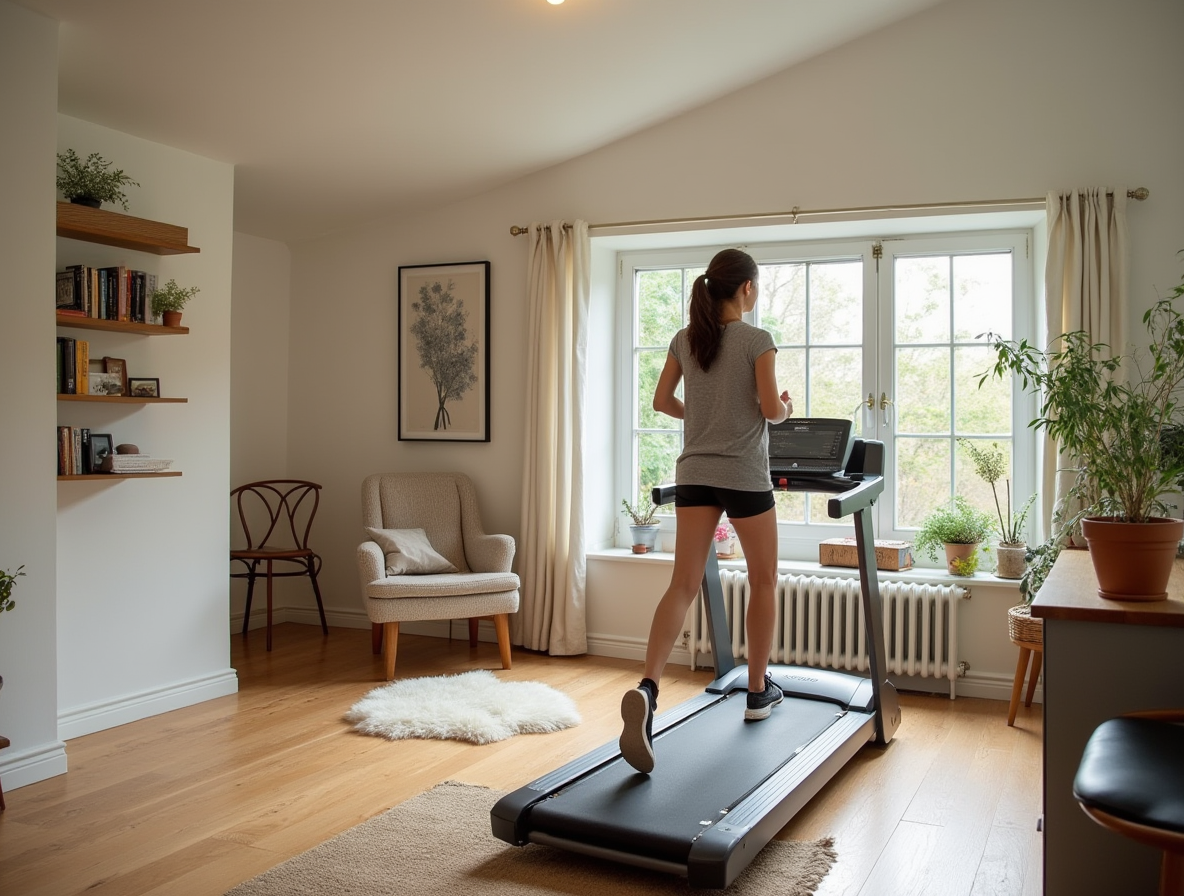
If bad weather, joint pain from concrete runs, and motivation dips are sabotaging your cardio, the NordicTrack T Series 16 brings the road indoors—with a forgiving deck, up to 12% incline, and trainer-led sessions that auto-adjust pace and grade so you don’t have to fiddle with buttons mid-run. It’s built for busy walkers and runners who want consistent, structured training at home and a machine that actually feels smooth at speed. The big, tilting 16-inch screen and fold-away frame are the hooks, but the real surprise is how stable and quiet it stays when you push it—more on that below.
After living with the T Series 16 for daily walks, hill intervals, and a couple of 5K simulations, my verdict is simple: it’s a rock-solid midrange treadmill that feels more premium where it counts—deck comfort, incline transitions, and an interface that doesn’t fight you. If you love guided coaching, the iFIT auto-adjust is a massive time-saver; if you hate subscriptions, you can ignore it and still get a fantastic manual run. Power users chasing all-out sprints or those who need a featherweight, easy-to-move unit might want to skip it, but for most home athletes this hits the sweet spot of performance, comfort, and longevity.
Specifications
| Brand | NordicTrack |
| Model | T Series 16 |
| Speed | 0–12 mph |
| Incline | 0–12% |
| Motor | 3.6 HP |
| Display | 16-inch tilting touchscreen |
| Max user weight | 325 lb |
| Dimensions | 75.1 x 34.3 x 54.8 in. |
| User Score | 4.3 ⭐ (31694 reviews) |
| Price | approx. 1500$ Check 🛒 |
Key Features

16-inch tilting touchscreen
A large, bright display sits at the perfect angle, so you aren’t craning your neck or guessing at your pace and incline. The tilt lets different-height users dial in a clear sightline. This matters because glanceable metrics reduce mental load mid-workout—you focus on form, not squinting at small text. In practice, I followed a 30-minute global route, watched terrain cues clearly, and never once had to hunch forward to read cadence or heart rate.
0–12% incline and up to 12 mph speed
A broad incline and speed range lets you shift from brisk fat-burn walks to serious hill repeats and sub-7:00/mi efforts. At 12 mph, you’re at a 5:00-mile pace—elite territory—so there’s headroom even if you get faster. Why it matters: incline is a proven way to increase calorie burn and recruit glutes/hamstrings without pounding your joints, and speed headroom keeps a treadmill relevant as your fitness grows. Example: I set 3-minute climbs at 8% with recoveries at 2%—my heart rate rose predictably without needing to touch a dumbbell once.
SelectFlex adjustable cushioning
A dial-adjustable deck lets you choose softer impact absorption for joint relief or a firmer, road-like feel for speed. You get comfort for long sessions and pop for intervals in one machine. Why it matters: cushioning reduces impact forces compared to concrete, easing stress on knees and shins; being able to stiffen it brings back the responsiveness runners want for tempo work. I used soft for a 45-minute recovery walk—less knee ache afterward—and firm for 400 m repeats where I wanted quick turnover.
SpaceSaver folding with hydraulic assist
The deck locks upright to reclaim floor space and lowers safely with a foot press, no sudden drops. Two transport wheels make short moves doable on hard floors. Why it matters: many home gyms share space with living rooms or offices; a foldable deck keeps the area usable without giving up a stable platform when deployed. Real-world: I parked it against a wall after my session, then rolled it out in under 30 seconds for the next workout without recruiting an extra set of hands.
iFIT auto-adjust and ActivePulse HR control
Pair an iFIT plan and let the treadmill change speed and incline automatically; add a compatible HR strap and ActivePulse holds you in a target zone. It’s coaching you can feel without constant button presses. Why it matters: fewer manual changes mean steadier pacing and safer progression, especially for newer athletes who tend to surge early. HR-based control personalizes intensity to your fitness day to day. During a 40-minute base run, iFIT nudged the incline and speed so I stayed in Zone 2—no watch-checking, just running.
Firsthand Experience
Unboxing set the tone: the crate is beefy and better handled by two people; our box weighed in around 245 lb with packaging. We slid it on a moving blanket, assembled it in about 60 minutes with two sets of hands, and leveled the feet so the belt tracked straight. First tip: have a Phillips screwdriver and a rubber mallet handy for clean, flush fits without overtightening.
The first run I did was a 30-minute hill session, alternating 6–8% incline while cruising at 4.5–5.5 mph. The incline motor ramps at a steady pace—no lurching—and the handrails feel secure when you grab them mid-change. Footfall is muted; on hardwood, I could still hear my show at normal volume, and downstairs noise was reported as a dull thump rather than a rattle, thanks in part to the SelectFlex cushioning.
Speaking of the deck, the adjustable cushioning is not a gimmick. I toggled from “soft” to “firm” across back-to-back 10-minute efforts: the soft setting noticeably reduced the bite on my knees and shins during downhill repeats, while the firm setting felt more road-like and snappy for intervals. If you’re rehabbing or racking up long walks, soft will save your joints; for tempo work, firm provides better push-off.
Both manual and iFIT modes are genuinely usable. With iFIT, trainers auto-adjust my speed and incline, which kept me from overcooking early segments and forced me to grind hills I would’ve otherwise skipped. Without iFIT, quick keys make 3–6–9 mph and 3–6–9% taps fast. A Polar chest strap paired instantly over Bluetooth, and ActivePulse held me in my target heart-rate zone during a 40-minute endurance workout—useful for steady-state days.
Folding is straightforward: lift the deck and it locks; press down with your foot and the hydraulic assist lowers it smoothly. It’s not “tiny-apartment light,” but it rolls easily on hard floors. On carpet, it’s moveable with effort. Maintenance has been low-drama: a quick vacuum of dust, a belt wipe, and a dab of silicone lube after a month of use kept tracking true with no chirps. The safety key is well-placed—yes, I pulled it once during a sprint and the belt braked without drama.
After a week, I clocked a 5K progression workout from 6.5 to 8.5 mph with two 10% hill surges. The deck stayed stable, no side-to-side wobble, and the console responded instantly to quick key taps. If you’re new to treadmills, that responsiveness matters; it’s the difference between feeling in control versus chasing the machine. Minor nit: some users report delivery or activation hassles depending on the retailer; once past that, the day-to-day experience shines.
Pros and Cons
Customer Reviews
Feedback trends are encouraging: most owners praise the smooth, quiet deck, sturdy frame, and useful incline range, while a minority report delivery hiccups or early defects that required service. Many use it happily without iFIT, though power users enjoy the auto-adjust workouts. With a long history of reviews, sentiment is fairly stable rather than a new-release spike.
“Very well built” with good speed and incline
Quieter than expected, smooth incline, and folds/moves easier than cheaper models—says the quality is worth the extra money.
Compact and foldable, straightforward assembly, and iFIT adds value, but notes fewer bells and whistles than commercial units.
Unit failed shortly after pro install and took weeks of parts/tech visits to resolve, calling out frustrating support.
Smooth, sturdy, and quiet in use, but had a terrible third-party delivery experience despite the treadmill itself being strong.
Comparison
Against value favorites like the Horizon T101, the T Series 16 feels more substantial underfoot at higher speeds and grades. The Horizon is a great walker’s machine, but its lighter frame and lower top speed/incline cap progression sooner; if you’re planning intervals or long, steep hikes, NordicTrack’s broader range and beefier feel pay off over time.
Compared with the Sole F63, both are robust and highly regarded for durability. The Sole often wins on lifetime frame warranties and no-subscription simplicity, while the NordicTrack pulls ahead on coaching integration and a larger, more immersive display. If you’ll use guided workouts and auto-adjust, the T Series 16 gives you more training structure; if you want a pure manual workhorse with fewer frills, the F63 can be appealing.
Inside NordicTrack’s own lineup, think of the T Series 16 as the step where screen size, incline headroom, and iFIT synergy become the star features. Heavier-duty NordicTrack models may add longer belts and even more power, but at a higher price and footprint. If you’re a single-household user running 3–6 days a week, this model hits a smart balance; if you’re outfitting a multi-user, marathon-focused home gym, a higher tier with a 60-inch belt might be worth it.
Frequently Asked Questions
- Can I use it without an iFIT subscription?
- Yes—just power on and use manual speed/incline or built-in programs
- Is it loud for apartment use?
- Footfall is well-dampened and motor noise is modest
- Does it fold and lower safely?
- Yes, it locks upright and lowers with a hydraulic assist—no slamming deck—and rolls most easily on hard floors.
- What heart-rate straps work with it?
- Bluetooth chest straps (like popular Polar models) pair quickly, and iFIT’s ActivePulse can hold a target zone when enabled.
Conclusion
The key takeaways: a stable, quiet deck with adjustable cushioning; a generous 12% incline and 12 mph for real training headroom; and a large, tilting screen that makes metrics and workouts easy to follow. Day to day, it’s reliable, comfortable, and simple to live with—folds up, rolls out, and just works. If you love structured coaching, iFIT’s auto-adjust is excellent; if not, manual mode is fast and frustration-free.
Who should skip it? If you need a featherlight, ultra-compact unit for frequent moves or a commercial-grade tank for multiple daily users, look elsewhere. Who should buy it? Walkers leveling up with incline hikes, runners chasing tempos and interval days, and households that want joint-friendly cushioning without giving up a lively, road-like feel on demand. Pricing typically lands in the midrange (often upper three-digits to low four-digits depending on sales), and for the quality delivered, that’s fair value. Check current links before you decide—holiday promos can make it a steal, while a price drop can offset any delivery or setup costs.