
Is it worth it?
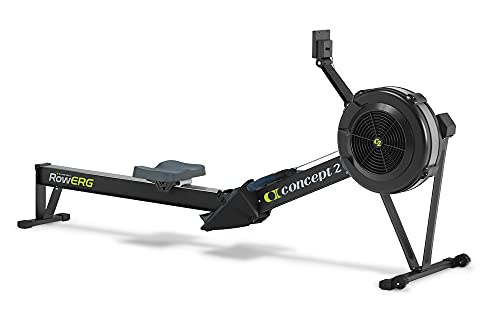
If your joints protest every time you run but you still want a sweat-drenched, full‑body workout that actually builds cardio and strength, the Concept2 RowErg delivers. This air‑resistance rower has become the default choice in boathouses, CrossFit boxes, and serious home gyms because it pairs low‑impact training with rock‑solid reliability and data you can trust. The PM5 monitor quantifies every stroke, so progress isn’t a guess—it’s logged. There’s a reason elite programs swear by it, and that’s exactly what I set out to verify in my own testing.
After weeks using the RowErg as my primary cardio tool, here’s the quick verdict: it’s the gold standard for people who want measurable results, bulletproof build quality, and a machine that scales from gentle rehab to gut‑busting intervals. If you crave a silent rower with a giant built‑in touchscreen and Peloton‑style classes, skip this. But if you value accurate metrics, longevity, and an authentic rowing feel, the RowErg is the right call—just be ready to clear some floor space and consider a seat pad for long sessions.
Specifications
| Brand | Concept2 |
| Model | RowErg |
| Resistance | Air |
| Monitor | PM5 backlit LCD |
| Seat height | 14 in |
| Max user weight | 500 lb |
| Connectivity | Bluetooth and ANT+ |
| Storage | 25 x 33 x 54 in. |
| User Score | 4.9 ⭐ (11025 reviews) |
| Price | approx. 990$ Check 🛒 |
Key Features

PM5 performance monitor you can trust
The PM5 tracks pace, watts, calories, strokes per minute, distance, intervals, and drag factor with repeatable accuracy. It’s backlit, easy to read, and pairs wirelessly with Bluetooth and ANT+ heart‑rate straps.
Why it matters: reliable data drives better training decisions. When your 500 m split drops, you know it’s you—not a generous algorithm. Practical example: use the PM5 to hold a target split during 8 x 500 m intervals and compare watt outputs week to week.
Air flywheel with adjustable damper
The flywheel responds instantly to how hard you row, while the damper lever controls airflow to adjust the “feel” from light and fast to heavier and slower. Unlike fixed resistance, this scales perfectly to any fitness level.
Why it matters: you get consistent, lifelike resistance without hitting settings limits. Practical example: set damper 3–5 for technique and endurance work, bump to 6–8 for power intervals, and monitor drag factor to keep sessions consistent across seasons.
Built to last with a high weight capacity
The aluminum monorail with stainless steel track keeps the seat glide smooth for years, and the nickel‑plated chain is designed for minimal upkeep. With a 500 lb capacity, it comfortably supports a wide range of athletes.
Why it matters: durability saves money—and frustration. Practical example: households with multiple users can train daily without babying the machine, and resale value stays high because these rowers are known to hold up.
Easy to assemble, move, and store
Assembly uses just eight screws, and the main sections click apart without tools using a framelock. Caster wheels let you roll it while fully assembled, or separate and store it upright to reclaim floor space.
Why it matters: big machines often become laundry racks; this one lives in your space without taking it over. Practical example: roll it out for a 20‑minute WOD, then stand it up behind a door in under a minute.
Connected ecosystem and motivation
The RowErg works with ErgData, the Concept2 Online Logbook, and many popular apps. Daily WOD emails, online challenges, and worldwide rankings keep you engaged and accountable.
Why it matters: community drives consistency. Practical example: enter a monthly 10k challenge, chase your age‑group ranking, and let automatic Strava sync turn solitary sessions into shared wins.
Firsthand Experience
Unboxing set the tone: the packaging was tidy, hardware bag labeled, and assembly took me about 15 minutes with only eight screws. The two main sections click together without tools, and the built‑in caster wheels make it easy to roll into place. The footprint is long—plan for roughly 9 x 4 ft—so I staged it along a wall. First impression on the rail: smooth glide, firm seat, and a handle that sits naturally in the fingers without hotspots.
The first week, I focused on technique at 20–24 strokes per minute, keeping the damper around 3–5 while watching drag factor on the PM5. That drag‑factor metric is key: it standardizes resistance despite dust or room conditions so “5” today feels like “5” next month. The sound is a steady whoosh, about like a box fan: noticeable but not disruptive during daytime. With a Bluetooth heart‑rate strap, the PM5 locked my HR promptly, and the backlit screen stayed readable in bright light.
Once form was dialed, I tested different workouts: steady 30‑minute rows, 500 m repeats, and a classic 2k. Over two weeks my 2k dropped from 8:02 to 7:46 by refining the legs‑core‑arms sequence and keeping my stroke rate controlled. The PM5’s pace per 500 m makes it obvious when you’re slipping, and that feedback is addictive. Adjusting the footrests took seconds; I ended up one notch tighter than expected, which helped drive better leg power.
Data and apps matter to me, so I connected the PM5 to ErgData and synced to the Concept2 Online Logbook. From there, my rows auto‑posted to Strava—clean and simple. I also tried LiveRowing, Asensei, and Kinomap. Asensei offered excellent coaching but requires a subscription; Kinomap’s scenic routes were fun yet sometimes finicky to load; LiveRowing was the best free option for me. Even when apps hiccup, the PM5 stores workouts reliably, and you can back up to a USB flash drive if you like belt‑and‑suspenders.
Maintenance has been refreshingly light. Concept2 recommends a quick wipe of the rail and a drop of chain oil every ~50 hours; the nickel‑plated chain resists rust and stays smooth. The PM5 runs on two D‑cell batteries but sips power, borrowing energy from the spinning flywheel during workouts to extend battery life. I separated the rower into two pieces a few times to free up space; the framelock releases fast and the stored footprint is surprisingly compact. Between the 500 lb capacity and the steel‑and‑aluminum build, it’s obvious why these machines last for years in commercial gyms.
Pros and Cons
Customer Reviews
User sentiment is remarkably consistent: owners praise the RowErg’s smooth feel, no‑nonsense build, and the PM5’s reliable metrics. While some mention the long footprint, modest fan noise, and a firm seat on longer rows, the overall satisfaction trend is very high and stable—typical of a product that’s been proven over years, not months.
New to rowing and this nailed it—15‑minute setup, rock‑solid feel, and simple app connections to Logbook and Strava
Quality shows right out of the box, glides smoothly, and it’s easy to move and store—feels gym‑grade at home
As a former college rower, this is the gold standard—authentic stroke, reliable resistance, and you’ll be huffing in minutes
Quieter than expected for home use and installation was a breeze—delivery hiccups solved quickly
Great workout but it’s long and the seat is firm—also not a fan of paying subscriptions for some coaching apps.
Comparison
Against premium water rowers, the RowErg trades the wood furniture aesthetic and water swoosh for pragmatic performance and data integrity. Water rowers feel great, but they require tank maintenance and can’t match the PM5’s standardized drag factor or Concept2’s global rankings. If you’re serious about consistent metrics and long‑term calibration, the RowErg wins; if you want living‑room decor, the water rowers may appeal more.
Compared to “smart” magnetic rowers with big touchscreens and built‑in classes, the RowErg is refreshingly open. Magnetic resistance is typically quieter and some platforms offer compelling coaching, but you’re locked into subscriptions and walled gardens. The RowErg lets you choose your apps—or none—and its air resistance scales better during all‑out sprints. If quiet operation and immersive classes are must‑haves, a magnetic smart rower could be a better fit; if accuracy, longevity, and openness matter more, the Concept2 leads.
Versus budget magnetic rowers under the mid‑hundreds, the RowErg costs more upfront but pays back in reliability, parts availability, and resale. Many budget units cap user weight around 250–300 lb, have shorter rails, and their monitors estimate calories and distance without the repeatability athletes need. The Concept2’s 500 lb capacity, commercial‑grade build, and PM5 data transparency make it the better long‑term buy if you’ll row more than a couple of times a week.
Frequently Asked Questions
- Is it loud for apartments?
- It sounds like a room fan—fine for daytime use, but light sleepers or thin walls might prefer a magnetic rower for late‑night sessions.
- How much space do I need?
- Plan roughly 9 x 4 ft while in use
- Do I need a subscription to use it?
- No. The PM5 works fully offline and records all key metrics
- What maintenance is required?
- Wipe the rail, dust the flywheel periodically, and oil the chain roughly every 50 hours
Conclusion
The Concept2 RowErg earns its reputation: it’s accurate, brutally dependable, and scalable from gentle rehab to all‑out intervals. The PM5 removes guesswork, the air flywheel rewards good technique, and the 500 lb capacity plus minimal maintenance make it a set‑and‑forget workhorse. Not everyone will love the long footprint, fan noise, or firm seat, and those who want a built‑in touchscreen with premium classes should look elsewhere. But if your priority is proven performance, honest metrics, and a machine that holds value for years, this is the benchmark.
Expect pricing in the higher three figures to low four figures depending on configuration and region, which remains fair given the longevity and support ecosystem. For value‑driven buyers, check current links—discounts and bundles do pop up, and the strong resale market sweetens the deal. Recommended for athletes, CrossFitters, and anyone who wants low‑impact training that actually moves the fitness needle; not ideal for those with very limited space or who require near‑silent operation.