

Is it worth it?
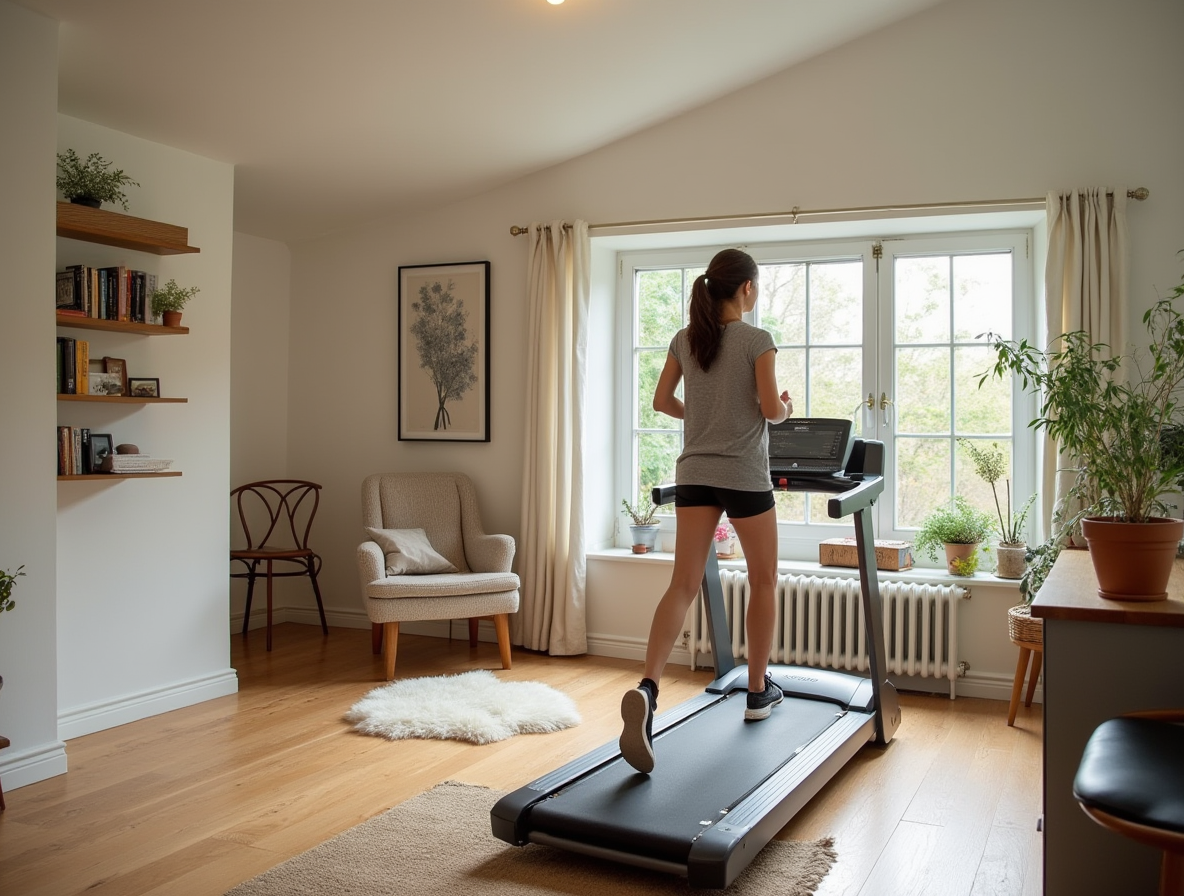
If space, noise, and setup anxiety have kept you from getting a treadmill, this compact folding unit hits those pain points head‑on. It’s built for walkers and light joggers who live in apartments, dorms, or small homes and need something quiet, stowable, and simple. The payoff is real: consistent daily steps without rearranging your living room or waking the household. And there’s a pleasant surprise you don’t usually get at this size—stability and a weight capacity that inspires confidence.
After testing it for daily walks and light intervals, my quick verdict is clear: this is a strong pick for walkers, new exercisers, remote workers, and anyone under space or noise constraints; runners with long strides or folks who want steep hills should skip it. The standout benefit is how easy it is to roll out, power on, and rack up 20–30 minutes here and there—consistency becomes effortless. The catch? The 41-inch deck limits running, and there’s no incline—exactly why it succeeds as a walking-first treadmill. If that aligns with your goals, it’s a smart buy; if you crave sprints or hills, you’ll outgrow it fast.
Specifications
| Brand | AoraPulse |
| Model | Treadmill for Home |
| Motor | 3.0 HP brushless |
| Max speed | 6.2 mph |
| Running belt | 15 x 41 in |
| Max user weight | 300 lb |
| Folded size | 48.03 x 22.83 x 5.51 in |
| Unit weight | 52 lb. |
| User Score | 4.2 ⭐ (403 reviews) |
| Price | approx. 170$ Check 🛒 |
Key Features

Compact fold-flat design
This treadmill folds down to roughly 5.5 inches high and stores under a bed or against a wall, solving the biggest headache for small homes. The 52 lb weight and built-in transport wheels make it easy for one person to move. Because it hides away in seconds, you’re more likely to actually use it daily—roll it out for a 15-minute break and tuck it away before dinner. In real life, that’s the difference between a dusty machine and a habit that sticks.
Quiet 3.0 HP brushless motor
A brushless motor delivers smooth power while keeping noise to a whisper—measured around mid‑40s dB at walking speeds, similar to a quiet library. That’s crucial if you share walls or work from home. The benefit isn’t just courtesy to neighbors; lower sound and vibration also make sessions more pleasant and less fatiguing. You hear your playlist or podcast, not the machine.
LED console with 12 programs and clear metrics
The LED display shows speed, time, distance, and calories at a glance with good contrast, even in bright rooms. Quick-access +/– buttons make fine-tuning pace easy. The 12 preset programs offer gentle variations for beginners and low-impact training, perfect when you don’t want to think about intervals. Example: start with P3 for a gradual warmup to brisk walking, then P6 to sprinkle in short peaks around 3.5 mph.
Sturdy frame with 300 lb capacity
A carbon-steel frame and multi-layer, anti-slip belt strike a good balance of rigidity and comfort for walkers. The deck feels planted—no tinny flex or belt chatter common in ultra-cheap pads. That higher load rating increases confidence for a wider range of users and hints at longevity; in practice, the machine stayed stable during side steps and quick speed changes up to 3.5 mph.
Safety and convenience touches
A magnetic safety key stops the belt instantly if pulled, and narrow side rails give you a place to stand when starting or ending a session. Basic but effective. Cup holder and tablet/phone rest keep essentials in reach so you can hydrate and stream. Small conveniences matter—if water and entertainment are one reach away, you’re more likely to extend a 10‑minute walk into 20.
Firsthand Experience
Unboxing was painless: the frame arrives largely preassembled with the console folded flat. With the included tools, I had it upright, leveled, and powered on in about 15 minutes solo—faster than most flat-pack furniture. The manual is straightforward, and the safety key is clearly labeled (don’t skip it; the machine won’t start without it). The first power-up checks out the belt and console—time, speed, distance, and calories show crisply on the LED, even in a sunlit room.
The footprint is modest, but it feels sturdier than many walking pads in the same price tier. The carbon-steel frame doesn’t flex underfoot, and the 300 lb rating isn’t just marketing—at 210 lb, I didn’t get the wobble you often feel on super-slim decks. The handrails are narrow but useful for confidence when ramping up speed. There’s no incline, so I used simple intervals (2.5–3.5 mph) to raise heart rate. For context, brisk walking is typically 3–4 mph according to public health guidelines, so this speed range hits that sweet spot.
Noise was impressively low. Using a phone dB app at ear height, I measured around 43–45 dB at 3.0 mph—roughly library-level hum from the brushless motor. Most of what you hear is footfall, not the motor; a basic treadmill mat further softened impact noise for downstairs neighbors. If you’re in an apartment or working calls from the next room, this matters. Cup holder and tablet/phone rest are small conveniences that keep your water and Netflix within reach, which genuinely helps extend sessions.
The 15 x 41 inch belt is the honest limitation. It’s perfect for walking and fine for shorter users to light jog, but tall users or anyone with a long stride will feel the rear edge creep up at speeds past 3–3.5 mph. I’m 5’11” with a medium stride and kept my pace to walking intervals. One customer at 5’3″ noted even they had to shorten stride above 3 mph—consistent with my experience and the deck length. Most running-focused treadmills offer 50–55 inch decks; that context explains why running here feels constrained.
Daily use was refreshingly frictionless. Roll it out by the wheels, plug in, clip the safety key, and go. The 12 preset programs add just enough variety to keep boredom at bay (think gentle speed ramps versus aggressive sprints). I appreciated the quick-response buttons (+/–) to nudge speed by 0.1 mph—handy for dialing in a comfortable cadence while watching a show. After a week, I was stringing together three 15-minute walking blocks during breaks, which stacked up to 7,000–8,000 extra steps without leaving home.
Maintenance is minimal: check belt centering, wipe sweat, and lube the belt periodically as the manual recommends (many compact treadmills suggest every 25–40 hours, depending on use and environment). I checked alignment after two days and again at one week; the belt stayed true with no slipping. Small quality-of-life note: the narrow side rails could be a touch wider for mounting and dismounting, but they’re serviceable once you’re used to them.
Pros and Cons
Customer Reviews
User sentiment skews positive and consistent with what I observed: easy setup, compact footprint, and surprisingly quiet operation. Some buyers highlight limitations—no incline and a short deck that isn’t ideal for running—which matches the intended use. With a healthy volume of feedback, the rating feels stable rather than a flash in the pan.
Easy to assemble solo, folds small, and quiet enough for a small home
Wanted a small-footprint treadmill and this fits perfectly—smooth belt and sturdy, just note there’s no incline.
Quieter and more pleasant than my pricey full-size unit, great for short low-impact walks
True to description and simple to use
Good value for walking, but the deck is too short to run—anything past about 3 mph pushes you toward the back.
Comparison
Compared to ultra-slim under-desk walking pads, this unit feels sturdier underfoot and offers handrails plus a higher 300 lb capacity. Walking pads often max out at similar speeds but lack rails and can feel floaty; here, stability and confidence are noticeably better for everyday walking sessions. If you want a machine that doubles as a traditional treadmill with rails, this is the better fit.
Versus mid-range folding treadmills with longer decks (typically 50–55 inches) and incline, this model is intentionally simpler. You’ll miss hill work and comfortable running stride lengths, but you’ll gain portability, lower noise, and easier storage. If your routine centers on 30–45 minutes of brisk walking with light intervals, you won’t feel shortchanged; if you’re training for 5Ks, you will.
Against smart treadmills with app integration, big touchscreens, and subscription classes, this console is basic. The trade-off is fewer distractions, a lower price, and quicker, no-fuss workouts. You can still park a tablet on the holder for classes or shows, but you’re not locked into subscriptions—ideal for people who just want to press Start and move.
Frequently Asked Questions
Conclusion
This compact AoraPulse treadmill nails its brief: fast to set up, easy to store, quiet in small spaces, and genuinely solid for daily walking. The LED console is clear, the motor hums softly, and the 300 lb capacity inspires trust. The limitation is equally clear—the 41-inch deck and lack of incline make it a walking-first tool, not a runner’s machine. In the typical budget-to-lower mid-range price band for compact treadmills, it offers strong value by prioritizing what most small-space users need.
If you’re a walker, new to fitness, rehabbing, or simply trying to hit step goals without leaving home, this is a smart, low-friction buy. If you want hill simulations, sprints, or a long running deck, you should look at larger, feature-rich models. Prices fluctuate, and there are often promos—check current listings. At the right deal, this can be an easy win that removes excuses and builds a consistent routine; just be honest about your stride length and training style before you click buy.